November 23, 2026
What Counts as a Dental Emergency? Advice From an Emergency Dentist
By @tysonklbx377
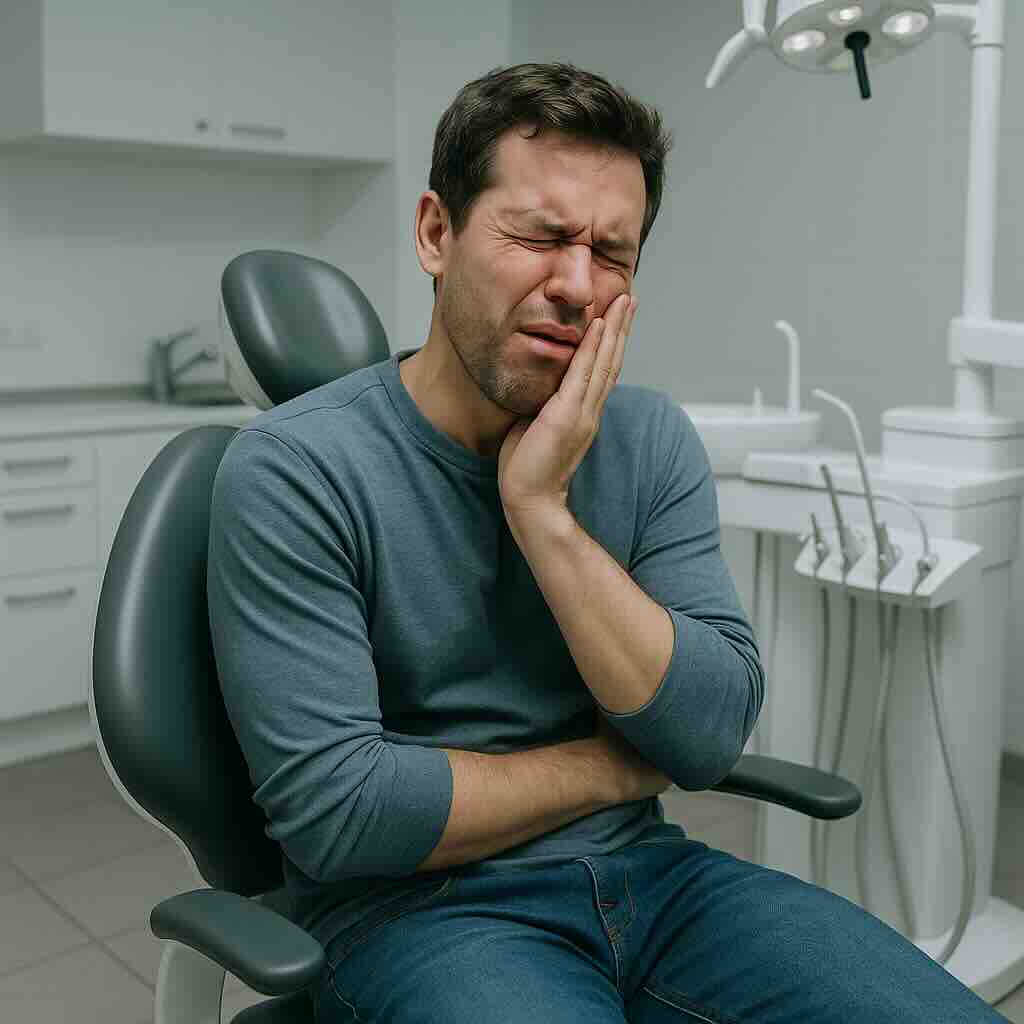
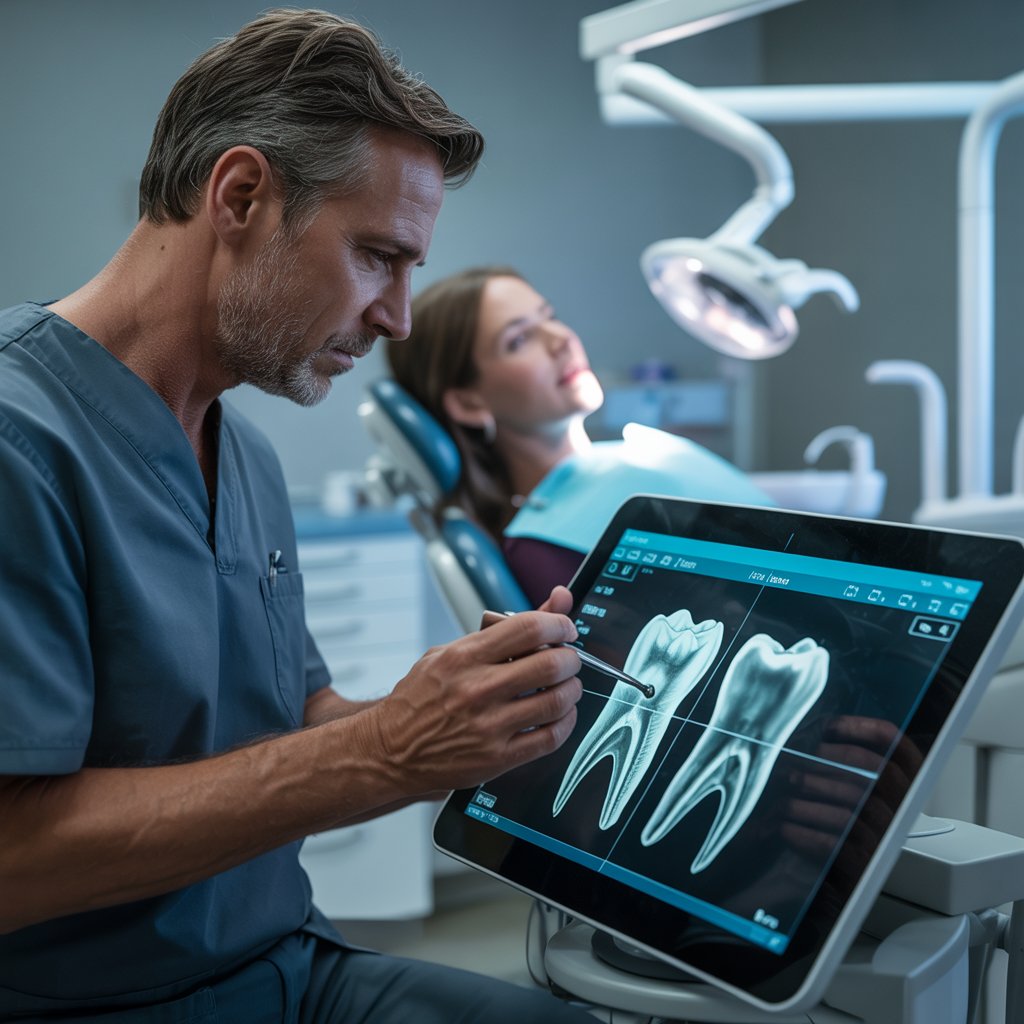
Few health problems create panic quite like sudden dental pain. A toothache can start as a dull nuisance after dinner and become a throbbing, sleep-stealing problem by midnight. A chipped front tooth can feel minor from a medical standpoint and enormous from a human one, especially when you have work the next morning. Bleeding, swelling, a knocked-out tooth, a broken crown, jaw pain that seems to come from nowhere, all of it raises the same urgent question: is this something that can wait, or do you need an Emergency Dentist right now?
That question matters because timing changes outcomes. In dentistry, a delay of a few hours can be the difference between saving and losing a tooth. At the same time, not every dental problem needs after-hours care. Good judgment matters. So does knowing the signs that separate true urgency from something uncomfortable but manageable until a regular appointment.
From a practical clinical standpoint, a dental emergency is any problem involving the teeth, gums, jaw, or surrounding tissues that needs prompt treatment to stop bleeding, relieve severe pain, control infection, or improve the chance of saving a tooth. The key words are prompt treatment. Not every emergency means a trip to a hospital emergency room, but many situations do require same-day dental care.
The problems that count as true dental emergencies
Some cases are clearly urgent. Others sit in a gray zone and depend on symptoms, medical history, and how quickly the condition is changing.
Severe, persistent tooth pain is one of the most common reasons people call an Emergency Dentist. Pain by itself does not always mean danger, but sharp or throbbing pain that does not respond to over-the-counter medication, wakes you from sleep, or worsens when you bite down deserves prompt evaluation. Deep decay, an inflamed nerve, a cracked tooth, or an abscess can all present this way. Patients often hope it will calm down by morning. Sometimes it does. Often it comes back worse, usually at the least convenient time.
Swelling is even more concerning than pain. A swollen gum near one tooth may indicate a localized infection. Swelling in the cheek, jawline, or floor of the mouth raises the stakes. Dental infections can spread into deeper facial spaces. When that happens, treatment becomes more complicated and the risks increase. Fever, foul taste, pus drainage, trouble opening the mouth, and tenderness under the jaw add to the concern.
Bleeding that does not stop also qualifies as an emergency. A little blood after flossing too hard is not unusual. Bleeding after an extraction may persist in a mild oozing way for several hours. But active bleeding that continues despite steady pressure needs attention. The same is true after trauma, especially if a lip, gum, or tongue has been cut.
Trauma itself is a major category. A tooth that is knocked out, pushed out of position, loosened, fractured, or driven into the gum should be treated urgently. The fastest decisions in dentistry are often made after falls, sports injuries, playground collisions, or slips on wet floors. A patient can walk in saying, “It doesn’t hurt that much,” while holding a tooth that could still be saved if the timing and handling are right.
Lost restorations can be trickier. A filling that falls out may be uncomfortable, but not always emergent. A lost crown may wait a day or two if there is no pain and the tooth is intact. On the other hand, if the exposed tooth is extremely sensitive, the broken restoration has left a sharp edge, or the tooth underneath fractures, the problem moves into urgent territory very quickly.
When a hospital matters more than a dental office
An Emergency Dentist is the right first call for many problems, but there are times when the safest place is a hospital emergency department.
If facial swelling is affecting breathing or swallowing, do not wait for a dental callback. Go to the emergency room immediately. The same applies if you cannot handle your saliva, your voice sounds muffled, or swelling is rapidly spreading under the jaw or into the neck. Those are not routine dental complaints.
A jaw injury after trauma may also need emergency medical assessment, particularly if the jaw seems misaligned, movement is limited, or there was a blow to the head. Dental offices handle many oral injuries, but head trauma, loss of consciousness, suspected facial fractures, and uncontrolled bleeding belong in emergency medicine first.
The practical divide is simple. If the issue threatens the airway, involves major trauma, or includes systemic symptoms such as high fever, confusion, or spreading infection, start with the hospital. If the issue is painful, localized, and dental in origin, an Emergency Dentist is often the most efficient source of care.
Situations people underestimate
Some of the most serious dental emergencies are the ones patients try to push through.
A dental abscess is a good example. People sometimes imagine an abscess as a dramatic swollen lump, but in reality it may start as deep pressure, tenderness when chewing, bad breath, a bad taste, or a small pimple-like bump on the gum. That little bump can be a fistula, a drainage channel from an infected tooth. It may temporarily reduce pain by letting pressure escape, which fools people into thinking the problem is improving. It is not. The infection source is still present.
Cracked teeth are another problem that can appear deceptively mild. Hairline cracks may cause only occasional pain at first, often when releasing a bite after chewing. Then one day the pain becomes sudden and severe, or a piece of the tooth splits off. A crack that reaches the nerve or root can turn a repairable situation into one that requires root canal treatment or extraction.
Children create their own category of gray areas. A bumped baby tooth may not require the same response as a knocked-out adult tooth, and those distinctions matter. Putting a knocked-out baby tooth back in place is generally not advised because it can damage the developing permanent tooth underneath. By contrast, a knocked-out permanent tooth in a child or teenager is extremely time-sensitive. Parents often have only minutes to make the right call, and stress makes everything harder.
What is urgent, but not always an emergency?
Many dental problems need prompt attention without meeting the threshold for a true emergency.
A chipped tooth with no pain and no sharp edges can often wait a day or two. A lost filling that causes mild sensitivity but no severe pain is usually urgent rather than emergent. Mild gum irritation around a wisdom tooth may be manageable for a short period with careful cleaning and warm saltwater rinses, unless swelling or difficulty swallowing develops. A broken denture is inconvenient and disruptive, but not generally a medical emergency.
Still, urgency is not trivial. A situation that feels manageable at 10 a.m. Can look very different at 10 p.m. The challenge is that dental problems often evolve faster than people expect. Infection spreads. Cracks deepen. Exposed dentin becomes more sensitive. Soft tissue irritation turns into ulceration. A crown that seemed merely loose comes off during dinner and leaves the tooth vulnerable.
If you are unsure whether something can wait, the best decision is usually to call a dental office and describe the symptoms in detail. The presence of severe pain, swelling, fever, trauma, or ongoing bleeding almost always pushes the case toward same-day care.
A quick way to judge the situation at home
Before you speak to a dentist, focus on the signs that matter most. Patients often lead with the wrong detail, such as the age of the filling or the fact that they have an upcoming vacation. What changes triage decisions are symptoms and function.
- Severe pain that is constant, worsening, or keeping you from sleeping
- Swelling in the gums, face, jaw, or neck
- Bleeding that does not stop after applying pressure
- A tooth that is knocked out, loose after trauma, or badly broken
- Fever, pus, foul taste, or trouble swallowing or breathing
If none of those are present, the problem may still need prompt care, but it is less likely to be a same-hour emergency.
What to do before you can be seen
The first aid for a dental problem is simple, but details matter. People sometimes make well-meant mistakes that reduce the chance of saving a tooth or worsen the injury.
For tooth pain, rinse gently with warm water and clean around the area if food is trapped. Use an over-the-counter pain reliever if you can take it safely, following the label instructions. Do not place aspirin directly on the gum or tooth. That old home remedy can burn the soft tissue and creates a second problem.
For swelling, a cold compress on the outside of the face can help. Warmth is often soothing for muscle soreness, but when infection or acute inflammation is involved, external cold is usually the better choice for symptom control.
For a lost crown, keep the crown if you can find it. Sometimes it can be recemented if it is intact and the tooth underneath has not changed. Avoid chewing on that side.
For a broken tooth, collect any fragments if possible. Rinse your mouth gently and cover sharp edges with dental wax or sugar-free gum if needed to protect your cheek or tongue.
The most time-sensitive situation is the knocked-out permanent tooth. In those cases, minutes matter more than most people realize.
- Pick the tooth up by the crown, not the root
- If it is dirty, rinse it briefly with milk or clean water, without scrubbing
- If possible, place it back in the socket right away and hold it there gently
- If you cannot reinsert it, keep it in milk or inside the cheek if the person can do so safely
- Get to an Emergency Dentist immediately, ideally within 30 to 60 minutes
That window is not a rigid deadline, but it is clinically meaningful. Teeth replanted quickly have a much better chance of long-term survival.
The role of pain, and why pain level can mislead you
People often assume that the worse it hurts, the more serious it is. Sometimes that is true. Sometimes it is not.
A raging toothache may come from an inflamed nerve with no facial swelling, while a more dangerous infection may drain quietly and produce surprisingly little pain. A cracked cusp on a molar may hurt sharply every time you chew but be straightforward to repair. By contrast, a fractured tooth root can present with less drama initially and carry a worse prognosis.
Pain tolerance further complicates things. Some patients seek help early for moderate discomfort. Others arrive after several days of significant swelling because they “didn’t want to make a fuss.” I have seen both. The better guide is not just pain intensity, but the pattern. Is it spontaneous or only with cold? Is it lingering for minutes after a stimulus? Is there pressure pain when biting? Is swelling present? Has the condition changed quickly over 24 hours?
Those details help an Emergency Dentist estimate whether the issue is likely to involve the pulp, the supporting tissues, infection, fracture, or a soft tissue source such as an ulcer or traumatic bite.
Common cases and how they are usually handled
A front tooth chipped while biting a fork may need smoothing, bonding, or a protective temporary repair the same day, especially if the nerve is exposed. The cosmetic urgency is real, but the clinical decision depends on how deep the fracture runs.
A molar with a large filling that splits during lunch can be painful because the cusps flex under pressure. In those cases, immediate goals are to control pain, protect the remaining tooth structure, and decide whether the tooth can be restored with a crown or needs root canal treatment first.
Wisdom tooth flare-ups often produce swollen gums over a partially erupted tooth, bad taste, painful swallowing, and difficulty opening the mouth. Sometimes the problem is a local gum infection that can be managed with cleaning, irrigation, and follow-up. Other times the swelling is severe enough to require same-day intervention and closer monitoring.
Patients with braces sometimes call in distress over a poking wire or a loose bracket. That is rarely a true emergency unless there is trauma, significant swelling, or a risk of inhaling a broken piece. It may still need prompt attention because soft tissue ulcers become miserable fast, but it is a different category from infection or avulsion.
Why delaying care often makes treatment bigger and more expensive
One hard truth in emergency dentistry is that time rarely improves structural problems. A small crack becomes a large fracture. A reversible irritation of the pulp becomes irreversible inflammation. A cavity that caused occasional sensitivity becomes a weekend abscess.
Financially, delay is often costly. Patients sometimes put off care hoping to avoid a procedure, only to need more extensive treatment later. A filling can turn into a crown. A crown can turn into root canal treatment and a crown. A tooth that might have been saved ends up extracted and replaced with an implant or bridge, both of which are far more involved.
There are exceptions. Not every sore tooth worsens overnight, and some symptoms settle temporarily. But temporary improvement is one of the more deceptive features of dental disease. Pressure can drain. Inflammation can fluctuate. A broken area may stop hurting if the nerve dies. None of those changes mean the problem has resolved.
Special concerns for older adults, pregnant patients, and people with medical conditions
Dental emergencies do not happen in isolation from the rest of health.
Older adults may have root caries, brittle restorations, gum recession, dry mouth from medications, or reduced ability to manage infection. Pain can present less dramatically, while the consequences of untreated infection can be more significant.
Pregnant patients sometimes hesitate to seek urgent dental care, worried about X-rays or treatment. In reality, untreated dental infection poses its own risks, and urgent dental assessment is often safer than waiting. Necessary dental X-rays with proper shielding and appropriately chosen medications are commonly managed during pregnancy, particularly when pain or infection is involved.
People taking blood thinners, those with poorly controlled diabetes, patients undergoing cancer treatment, and anyone with immune suppression deserve extra caution. A condition that might be manageable for one person can progress faster or bleed more heavily in another. This is another reason why “just wait and see” is not always wise.
How an Emergency Dentist decides what to do first
Emergency care is not always about finishing everything in one visit. Often it is about stabilizing the situation.
If you arrive with severe pain from an inflamed or infected tooth, the first goal may be diagnosis, pain control, and drainage or opening the tooth to relieve pressure. Definitive treatment, such Emergency Dentist as root canal therapy, a crown, or extraction, may happen the same day or at a later visit depending on the case.
If you come in after trauma, the dentist will assess tooth vitality, mobility, bite changes, fractures, and damage to the surrounding bone and soft tissues. A tooth may need repositioning and splinting right away, with follow-up over weeks or months because trauma effects can evolve.
That surprises patients sometimes. They expect the emergency visit to “fix it completely.” Often it does. Just as often, it starts the right treatment pathway quickly enough to preserve options.
When uncertainty is the real emergency
One of the most useful pieces of advice is this: if you are debating whether something is serious, pay attention to that instinct. Most people do not search for an Emergency Dentist over a trivial sensation. They call because the pain feels different, the swelling looks wrong, the tooth moved, the bleeding will not stop, or something about the situation alarms them.
That instinct should not replace clinical judgment, but it should prompt action. Dentistry has many gray zones, and a brief phone call can sort them out. A good dental team will ask about pain severity, onset, swelling, fever, trauma, and function. Those details matter far more than whether the problem started on a Friday night or whether you were due for a cleaning next month.
A workable rule is straightforward. If you have severe pain, swelling, trauma, uncontrolled bleeding, or Emergency Dentist signs of infection, treat it as urgent and contact an Emergency Dentist right away. If breathing or swallowing is affected, or major trauma is involved, go directly to the emergency room. When in doubt, do not wait for the problem to declare itself more dramatically. In emergency dentistry, early decisions often protect both your tooth and your health.
Vitality Dental
1220 Coit Rd # 106, Plano, TX 75075, United States
+1 972-645-4100
FAQ About Emergency Dentist
What counts as a dental emergency?
A knocked-out tooth, significant mouth injury, severe tooth pain, or painful swelling warrants prompt evaluation. Call your dentist and describe your symptoms so the office can advise you on how urgently you need care.
What should I do if I knock out a permanent tooth?
Call a dentist immediately. Handle the tooth by the crown, avoid touching the root, and keep it moist. If you cannot put it back into the socket easily, transport it in milk or a tooth-preservation solution. Bring it with you to the appointment.
Should I go to the emergency room for a dental emergency?
Seek emergency medical care right away if you have trouble breathing or swallowing, uncontrolled bleeding, or a serious facial injury. For an isolated tooth injury or toothache without those symptoms, call a dentist promptly for guidance.
❧