October 26, 2026
What to Bring to an Emergency Dentist Visit in Plano, TX
By @tysonklbx377
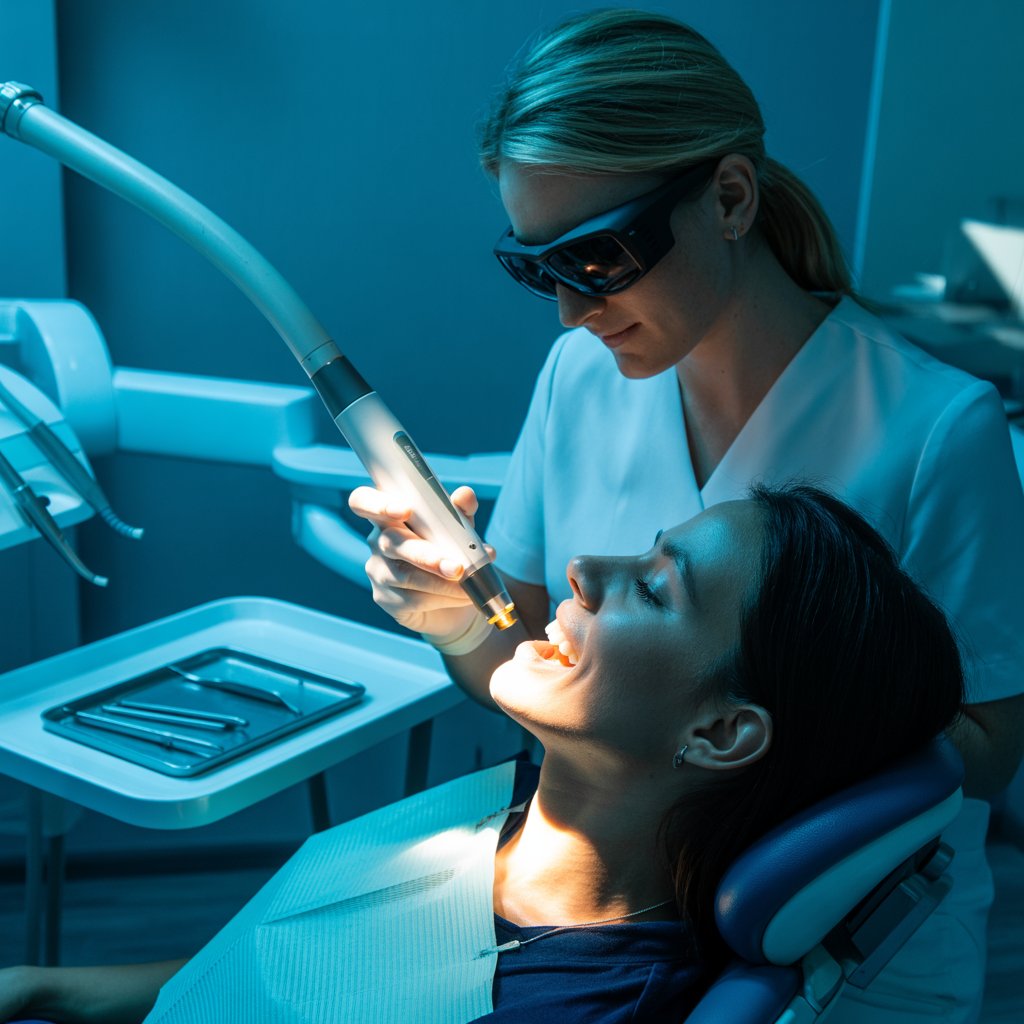
Dental emergencies have a way of scrambling your priorities in a matter of minutes. One moment you are finishing lunch in Legacy West, heading home from work on the Dallas North Tollway, or watching your child’s soccer game, and the next you are dealing with a cracked molar, a swollen gumline, or a tooth that did not survive a bad fall. In that kind of moment, most people focus on one thing, finding help fast. That makes sense. But what you bring to the appointment can shape how smoothly the visit goes, how quickly treatment starts, and how much avoidable stress you carry into the chair.
An emergency dental visit is not the time to be hunting for an insurance card in the glove box or trying to remember the name of a blood thinner you started six months ago. The more complete your information is, the easier it is for the dental team to assess risk, control pain, and decide whether you need same day treatment, medication, imaging, or referral. If you are seeing an Emergency dentist Plano, TX patients rely on for urgent care, a little preparation can save valuable time.
What matters most is not bringing everything you own. It is bringing the right things, the things that answer immediate clinical questions and help the office move from intake to treatment without unnecessary delays.
Start with identification and payment basics
The first layer is simple, but often forgotten in a rush. Bring a government issued photo ID, your dental insurance card if you have one, and a form of payment. Even when an office can look up your insurance electronically, having the physical card or a clear photo of the front and back cuts down on confusion. Group numbers, subscriber names, and plan vitalitydentaldfw.com Emergency dentist Plano, TX changes are common pain points, especially when the patient is a spouse or child under someone else’s policy.
Payment matters because emergency dental visits vary widely. Some visits stay limited to an exam and X rays. Others quickly turn into treatment, such as a sedative filling, emergency root canal access, extraction, or recementing a crown. Costs depend on what the dentist finds. A front desk team can usually explain fees and financing options, but that conversation goes better if you are ready for it.
If you are bringing a child, bring your own ID as well, and be prepared to show proof that you are the legal guardian or authorized caregiver if the office asks. Most offices are practical about this, especially in urgent situations, but consent still matters.
Medical information is more important than many patients realize
People tend to divide medicine and dentistry into separate compartments. Clinically, that is a mistake. Your emergency dentist needs a working picture of your health before numbing you, prescribing medication, or performing treatment. A swollen tooth in an otherwise healthy adult is one thing. The same infection in a patient with uncontrolled diabetes, a recent joint replacement, active chemotherapy, or a history of heart valve problems can change the plan.
Bring a current medication list, not just the pill bottles rattling around in your bag. A note on your phone is fine if it is accurate. Include prescription drugs, over the counter pain relievers, vitamins, herbal supplements, and anything you take as needed. Some interactions are easy to miss. Ibuprofen can be a poor choice for certain patients. Blood thinners affect extraction planning. Steroids, osteoporosis medications, and immunosuppressants may influence healing or procedural decisions.
Your medical history should also include allergies, past reactions to antibiotics or local anesthetics, pregnancy status if relevant, and recent surgeries or hospitalizations. It is surprisingly common for patients to say they have “no medical issues” and then casually mention a heart stent halfway through the exam. In a routine cleaning, that is a paperwork annoyance. In an emergency, it can change treatment timing and medication choice.
If you have the broken piece, bring it
This is one of the most useful practical details and one of the most frequently overlooked. If a tooth, crown, veneer, denture tooth, retainer, or filling came out, bring it with you. A dentist may be able to evaluate whether the original piece can be reattached, reused temporarily, or at least used as a guide for shape and fit.
Put the item in a clean container. A hard plastic case, small cup with lid, or sealed bag works better than wrapping it in a napkin. Tissues and paper towels have a way of getting thrown out in a hurry, especially when patients are juggling ice packs and paperwork. I have seen more than one salvageable crown disappear because it looked like trash on a counter.
If a tooth has been knocked out completely, handling matters. Pick it up by the crown, not the root. If it is dirty, rinse it gently with milk or saline if available, or clean water if that is all you have. Do not scrub it. In some cases, the dentist may advise trying to place it back in the socket if the patient is conscious, cooperative, and able to do so safely. If that is not realistic, store the tooth in milk or a tooth preservation solution if you have one. Time matters here, often by the minute.
What to gather before you leave the house
When pain is sharp or swelling is spreading, it helps to have a short mental checklist. Most people do better with a quick sweep than with a long set of instructions.
- Photo ID, insurance card, and payment method
- A list of medications, allergies, and major medical conditions
- The broken tooth, crown, filling, retainer, or appliance, if applicable
- A brief note about when the pain started and what makes it worse
- A charged phone, especially if you may need forms, directions, or follow up instructions
That fourth item deserves more attention than it gets. Dentists make clinical judgments partly from the pattern of symptoms. Did the pain begin after biting on something hard, or did it build over three days? Is it sensitive to cold, pressure, sweets, or heat? Are you waking up at night from throbbing pain? Did swelling appear before the pain or after? Patients in distress often forget these details once they sit down, especially after driving through traffic while hurting. A few notes on your phone can make your answers far more useful.
Bring any recent dental records you already have access to
This is not always possible, and no competent emergency office expects you to become a records coordinator in the middle of pain. Still, if you have recent X rays, treatment plans, or notes from your regular dentist, specialist, or another urgent care office, bring them. Even a screenshot of a treatment estimate or a patient portal image can help fill gaps.
This is especially useful if the emergency involves work already in progress. Maybe you had a root canal started but not finished. Maybe a temporary crown came off two days after placement. Maybe your orthodontist adjusted an appliance and now you have trauma to the cheek or a loose bracket cutting the tissue. Context helps an emergency dentist in Plano, TX understand whether they are treating a fresh problem or stabilizing an active case that needs handoff back to your regular provider.
Do not worry if you cannot get records right away. Most offices will take their own images. Just bring what you have.
Pain relief items can help on the way, but use judgment
A small bag with an ice pack, bottled water, tissues, and any pain medication you have already taken can make the trip easier. If you took something for pain, write down the name, dose, and time. That allows the office to avoid stacking medications in an unsafe way. “I took two Advil a while ago” is less helpful than “I took 400 milligrams of ibuprofen at 1:30 p.m.”
Avoid placing aspirin directly on the gum or tooth. People still do this, usually because someone once told them it would help. It does not fix the problem and can burn the tissue. Clove oil and over the counter dental gels may reduce discomfort for some patients, but they can also irritate tissue or muddy the picture if overused. If you used them, mention that at the appointment.
For swelling, cold compresses are generally safer than heat. Heat can feel soothing, but with infection it may worsen discomfort or increase swelling. There are exceptions, but if you are not sure, cold is usually the better temporary choice until the dentist evaluates you.
A few situations call for bringing more than the obvious
Not every dental emergency looks dramatic. Some of the trickiest ones are quiet at first. A deep abscess may begin as tenderness and progress into facial swelling. A cracked tooth may only hurt when you release your bite. A failing implant may present as a strange looseness rather than severe pain. In these cases, supporting information matters.
If you monitor blood sugar, bring your recent readings or your device if you are diabetic. Infections can drive glucose up, and poorly controlled diabetes can complicate healing. If you use an inhaler, especially for anxiety or respiratory issues, bring it. If you have a history of fainting during procedures, say so early, not halfway through imaging.
People who wear full or partial dentures should bring the appliance, even if it hurts to wear it. Pressure marks, fractures, and alignment issues are easier to diagnose when the dentist can inspect both your mouth and the prosthetic. The same goes for night guards, clear aligners, retainers, and sports mouthguards. A cracked guard can sometimes point directly to the tooth under strain.
If trauma is involved, think beyond the tooth
Falls, sports injuries, and car accidents can produce dental symptoms that distract from larger injuries. A chipped incisor may be obvious, while a jaw injury, concussion, or facial fracture is not. If there was a significant blow to the face, bring any discharge paperwork from an ER or urgent care if you were seen there first. Note whether there was loss of consciousness, nausea, dizziness, or bleeding from the nose or ears. Those details may change what the dental office does and whether they refer you back for medical imaging.
Photographs can help too. If the swelling was worse an hour earlier, or if the tooth was out of position before it shifted again, a phone photo gives the dentist a fuller timeline. This sounds small, but in trauma cases the original position of a tooth or the speed of swelling can matter.
Parents should pack for patience, not just paperwork
Children rarely have dental emergencies at a convenient hour. They are often hungry, overtired, and frightened by the time they reach the office. If your child is the patient, bring a comfort item, a spill proof drink if allowed, and anything the office has requested in advance. Also bring the child’s medication list and pediatrician information if relevant.
A practical note from experience: if the visit may involve waiting or numbing, bring an extra shirt for very young children. Blood tinged drool, tears, and water from ice packs create chaos quickly. It is not medically necessary, but it can make the ride home much calmer.
Parents also help the appointment go better when they avoid over promising. Telling a scared child, “They are not going to do anything,” often backfires if the dentist needs to take X rays, test a tooth, or numb the area. A better approach is honest and simple: “They are going to look, help the pain, and tell us what needs to happen next.”
Some emergencies need immediate handling before you even leave
A few items are worth doing on the spot because the first thirty minutes matter more than anything you pack.
- For a knocked out permanent tooth, keep it moist in milk or a tooth preservation product and get to care quickly
- For active bleeding, apply clean gauze or cloth with steady pressure
- For swelling, use a cold compress on the outside of the face
- For a sharp broken tooth, cover the edge with dental wax if available
- For severe trauma, trouble breathing, or uncontrolled bleeding, seek emergency medical care first
That last point is important. Not every oral problem belongs in a dental office as the first stop. Rapidly spreading swelling under the jaw, difficulty swallowing, fever with significant facial swelling, or any problem affecting breathing calls for urgent medical evaluation. An emergency dentist can treat many infections, but airway concerns move into a different category.
What not to bring, or at least not rely on
People sometimes show up with social media remedies instead of useful information. Garlic paste, crushed aspirin, adhesive from a home repair kit, or a crown “glued” back with a non dental product complicate treatment more than they help. Temporary dental cement from a pharmacy is different and can be reasonable in the right situation, but tell the dentist if you used it.
Do not rely on memory alone for medications if you take several daily prescriptions. Do not assume every pain is “just a cavity.” Gum infections, sinus pressure, cracked roots, clenching related fractures, impacted food, erupting wisdom teeth, and nerve pain can mimic one another. Bring details, not self diagnosis.
It also helps not to bring unrealistic expectations about what can be permanently fixed in one visit. Emergency care often has two stages. First comes stabilization, pain control, infection management, and diagnosis. Definitive treatment may happen the same day, but not always. A swollen infected molar may need drainage and medication before a full procedure. A severely fractured front tooth may need a temporary cosmetic solution before a long term restoration. Being prepared for that conversation makes the day less frustrating.
Plano specific realities: timing, traffic, and logistics matter
Plano patients face practical issues that have nothing to do with teeth and everything to do with getting care while uncomfortable. Afternoon traffic, school pickup windows, and the spread between neighborhoods can all stretch the trip longer than expected. If you are dealing with a true emergency, leave earlier than your map suggests and call the office if swelling is increasing or you think you will arrive late. Many emergency schedules are tightly managed because procedures can expand once the dentist sees the problem.
If sedation might be part of your care, ask whether you need a driver. Even when only local anesthetic is planned, some patients are not ideal candidates to drive home after a difficult extraction or a high stress visit. Bring a family member or trusted friend if you can. At minimum, have someone available by phone.
Phones do a lot of work in emergency care now. Many offices send digital forms, text estimates, location links, and post visit instructions. A charged phone is not just convenient, it can be part of the intake process. If your battery is low and your charger is nearby, take it.
The visit usually goes better when you can tell the story clearly
A concise, useful patient history often sounds like this: “The lower right tooth started hurting two days ago after I bit on a tortilla chip. Yesterday it became sensitive to cold. This morning my cheek looked puffy. I took 400 milligrams of ibuprofen at 8 a.m., and it helped for about three hours. I am allergic to penicillin, and I take lisinopril and a blood thinner.”
That kind of summary gives the dentist a lot to work with. Compare it with, “It just hurts everywhere.” Pain can certainly feel that way, especially when nerves are inflamed, but the more specific you can be, the more efficient the exam becomes.
If you are anxious, say that early too. Emergency appointments are stressful, and dental teams know it. There are simple adjustments that can help, from pacing the conversation differently to discussing numbing expectations up front. Anxiety is not an inconvenience to hide. It is relevant information.
Why preparation changes the outcome, not just the mood
A well prepared emergency visit does not eliminate pain, but it reduces friction. The office can verify coverage faster. The dentist can prescribe more safely. Existing restorations can be evaluated with the broken pieces in hand. Trauma cases can be triaged more accurately with photos and timelines. Parents can stay focused on the child instead of searching for insurance details in a parking lot.
Most importantly, good preparation supports better judgment. Emergency dentistry is full of decisions made under pressure. Save the tooth or extract it. Prescribe antibiotics or proceed directly to treatment. Recement the crown today or build a temporary and plan around hidden decay. Those choices improve when the clinical picture is clear.
If you need an Emergency dentist Plano, TX residents trust for urgent care, the best thing you can do before you walk through the door is bring the basics, bring the facts, and bring whatever came out of your mouth in one piece. Fast care matters. Prepared care matters too.
Vitality Dental
1220 Coit Rd # 106, Plano, TX 75075, United States
+1 972-645-4100
FAQ About Emergency dentist Plano, TX
Will the ER do anything for dental pain?
An emergency department can assess urgent symptoms and provide medical stabilization. Definitive treatment of the tooth usually requires a dentist. Seek emergency medical care for breathing or swallowing difficulty, uncontrolled bleeding, or serious facial injury.
What to do if I have a dental emergency in the middle of the night?
Contact a dentist or after-hours dental service promptly for guidance. If a permanent tooth is knocked out, keep it moist in milk while seeking immediate care. If symptoms suggest a medical emergency, go to an emergency department.
What qualifies as a dental emergency?
A knocked-out permanent tooth, severe or persistent tooth pain, a significant dental injury, or swelling may require urgent dental assessment. Call a dentist to describe the symptoms and determine timing. Uncontrolled bleeding or difficulty breathing or swallowing requires emergency medical care.
❧